Australia follows the international ISO 216 standard for paper sizes, which includes the A, B, and C series. The most common size is A4.
Paper sizes in Australia adhere to the ISO 216 standard, ensuring consistency and compatibility. The A series, particularly A4, is the most frequently used size for everyday printing, documents, and letters. The B and C series are also part of the standard, often used for larger prints and envelopes.
Understanding these paper sizes is crucial for businesses, designers, and anyone involved in printing or publishing. Knowing the dimensions and proper uses of each size can enhance productivity and ensure that printed materials look professional and meet specific requirements. This guide aims to provide a comprehensive overview of standard paper sizes in Australia.
Introduction To Paper Sizes
Understanding paper sizes is essential for many tasks. Whether printing a document, creating artwork, or designing a flyer, knowing the standard paper sizes in Australia is crucial. This guide will introduce you to the various paper sizes and their uses.
Importance Of Standardization
Standardizing paper sizes helps in maintaining consistency. It ensures that everyone uses the same dimensions, making it easier to share and print documents. In Australia, the most common paper sizes follow the ISO 216 standard.
ISO 216 Size | Dimensions (mm) |
|---|---|
A0 | 841 x 1189 |
A1 | 594 x 841 |
A2 | 420 x 594 |
A3 | 297 x 420 |
A4 | 210 x 297 |
A5 | 148 x 210 |
Common Uses
Each paper size has its specific uses. Here are some common examples:
- A4: Used for letters, forms, and documents.
- A3: Ideal for posters, diagrams, and large tables.
- A2: Preferred for flip charts and large wall calendars.
- A1: Used for technical drawings and flip charts.
- A0: Suitable for large format posters and architectural plans.
Smaller sizes like A5 and A6 are often used for notepads, booklets, and flyers. These sizes are convenient for handouts and smaller print materials.
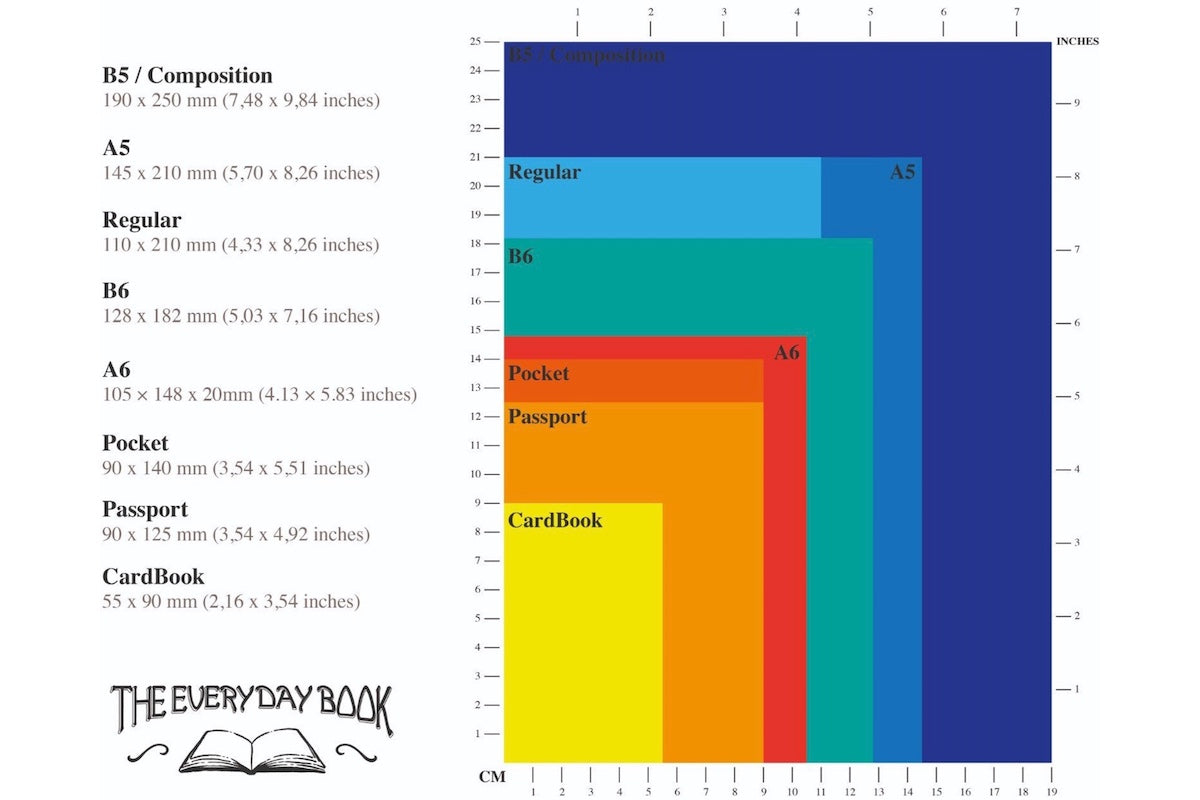
Credit: www.galenleather.com
A Series Paper Sizes
The A Series Paper Sizes are the most common paper formats used globally. They are standardized by the ISO 216 international standard. The sizes range from A0 to A10, each size being half the area of the previous one. Let’s explore the dimensions and applications of each size in Australia.
A0 To A10 Dimensions
Paper Size | Dimensions (mm) | Dimensions (inches) |
|---|---|---|
A0 | 841 x 1189 | 33.1 x 46.8 |
A1 | 594 x 841 | 23.4 x 33.1 |
A2 | 420 x 594 | 16.5 x 23.4 |
A3 | 297 x 420 | 11.7 x 16.5 |
A4 | 210 x 297 | 8.3 x 11.7 |
A5 | 148 x 210 | 5.8 x 8.3 |
A6 | 105 x 148 | 4.1 x 5.8 |
A7 | 74 x 105 | 2.9 x 4.1 |
A8 | 52 x 74 | 2.0 x 2.9 |
A9 | 37 x 52 | 1.5 x 2.0 |
A10 | 26 x 37 | 1.0 x 1.5 |
Applications In Australia
- A0: Used for architectural drawings and posters.
- A1: Common for flip charts and large drawings.
- A2: Ideal for medium posters and wall charts.
- A3: Used for diagrams, large tables, and drawings.
- A4: The standard for letters, forms, and magazines.
- A5: Suitable for notebooks, flyers, and booklets.
- A6: Often used for postcards and small booklets.
- A7: Great for labels and small notepads.
- A8: Perfect for business cards and tiny labels.
- A9: Used for tickets and small vouchers.
- A10: Ideal for stamps and tiny tags.
B Series Paper Sizes
The B Series Paper Sizes play a crucial role in various printing needs in Australia. Unlike the A series, the B series offers different dimensions, making it versatile for several applications. This guide will delve into the specifics of B series paper sizes and their practical uses.
B0 To B10 Dimensions
The B series paper sizes range from B0 to B10. Each size is precisely half the area of the next larger size.
Paper Size | Dimensions (mm) |
|---|---|
B0 | 1000 x 1414 |
B1 | 707 x 1000 |
B2 | 500 x 707 |
B3 | 353 x 500 |
B4 | 250 x 353 |
B5 | 176 x 250 |
B6 | 125 x 176 |
B7 | 88 x 125 |
B8 | 62 x 88 |
B9 | 44 x 62 |
B10 | 31 x 44 |
Usage Scenarios
The B series paper sizes are used in various scenarios:
B0: Ideal for large posters and advertisements.
B1: Commonly used for wall charts and larger prints.
B2: Suitable for posters and architectural plans.
B3: Often used for folded brochures and magazines.
B4: Perfect for envelopes and smaller posters.
B5: Used for books, booklets, and brochures.
B6: Suitable for postcards and small booklets.
B7: Ideal for note cards and small prints.
B8: Used for tickets and small labels.
B9: Great for coupons and smaller labels.
B10: Perfect for tiny labels and business cards.

Credit: profileproducts.com.au
C Series Paper Sizes
The C Series Paper Sizes are an integral part of paper standards in Australia. These sizes are primarily used for envelopes, folders, and other stationery. They are designed to fit the A Series and B Series paper sizes perfectly, making them very versatile.
C0 To C10 Dimensions
The C0 to C10 dimensions define the sizes within the C Series. These sizes range from the largest, C0, to the smallest, C10.
Here is a table with their dimensions:
Size | Dimensions (mm) |
|---|---|
C0 | 917 x 1297 |
C1 | 648 x 917 |
C2 | 458 x 648 |
C3 | 324 x 458 |
C4 | 229 x 324 |
C5 | 162 x 229 |
C6 | 114 x 162 |
C7 | 81 x 114 |
C8 | 57 x 81 |
C9 | 40 x 57 |
C10 | 28 x 40 |
Envelope Sizes
The envelope sizes in the C Series are crucial for everyday use. They are designed to hold A Series papers perfectly. Here is a quick guide:
C4 envelopes can hold A4 paper without folding.
C5 envelopes fit A5 paper or A4 paper folded in half.
C6 envelopes are ideal for A6 paper or A4 paper folded twice.
C7 envelopes can hold A7 paper or A5 paper folded twice.
Choosing the right envelope size ensures that your documents fit perfectly. This also helps in presenting a professional look.
Specialty Paper Sizes
When discussing paper sizes, standard dimensions often come to mind. Yet, specialty paper sizes hold significant importance, especially in specific industries. Understanding these sizes ensures you choose the right paper for your project.
Legal Size
The legal paper size is slightly longer than the standard A4 paper. This size is ideal for legal documents and contracts. Its dimensions are 216 mm x 356 mm (8.5 inches by 14 inches). This extra length allows more text on a single page, reducing the number of pages needed for lengthy documents.
Dimension | Measurement |
|---|---|
Width | 216 mm (8.5 inches) |
Height | 356 mm (14 inches) |
Tabloid Size
Tabloid size paper is another important specialty size. It is commonly used for newspapers, magazines, and flyers. This paper size measures 279 mm x 432 mm (11 inches by 17 inches). The large dimensions provide ample space for images, advertisements, and text, making it perfect for publications.
Dimension | Measurement |
|---|---|
Width | 279 mm (11 inches) |
Height | 432 mm (17 inches) |
Choosing the correct specialty paper size can significantly impact the presentation and readability of your documents. Whether it’s for legal purposes or vibrant publications, understanding these dimensions helps you make informed decisions.
Choosing The Right Paper Size
Choosing the right paper size is crucial for any project. Whether you’re printing documents, brochures, or posters, the correct size can make a big difference. Understanding the standard paper sizes in Australia helps you make an informed choice. This guide will help you navigate through different options.
Factors To Consider
Several factors influence the choice of paper size. These include the type of project, the target audience, and the printing method. Here are some key points to keep in mind:
Project Type: Different projects need different paper sizes. For example, business cards differ from posters.
Target Audience: Consider what your audience finds easy to handle and read.
Printing Method: Some printers have size limitations. Check these before choosing your paper size.
Industry Standards
Australia follows the ISO 216 standard for paper sizes. The most common sizes include:
Paper Size | Dimensions (mm) | Common Uses |
|---|---|---|
A4 | 210 x 297 | Letters, Documents |
A3 | 297 x 420 | Posters, Presentations |
A5 | 148 x 210 | Notebooks, Flyers |
Understanding these standard sizes ensures your print materials look professional. Choose wisely to make the best impression.
Printing Guidelines
Understanding the correct printing guidelines is essential for achieving the best results. This section covers important aspects such as resolution and quality and paper types. These factors greatly influence the outcome of your printed materials.
Resolution And Quality
Resolution and quality determine how clear and sharp your prints will be. For high-quality prints, use a resolution of at least 300 DPI (dots per inch). This ensures the images and texts look crisp and professional.
Lower resolution, like 72 DPI, is suitable for digital screens but not for printing. Always check your images’ resolution before printing to avoid blurry results.
Paper Types
The type of paper you choose affects the final look of your prints. There are various paper types available, each suited for different purposes.
Paper Type | Description | Common Uses |
|---|---|---|
Bond Paper | Standard office paper, usually 80 GSM | Letters, Reports |
Glossy Paper | Shiny finish, high-quality prints | Photos, Brochures |
Matte Paper | Non-reflective, smooth finish | Flyers, Posters |
Cardstock | Thick and durable paper | Business Cards, Invitations |
Choosing the right paper type enhances your printed materials’ quality. Always consider the purpose of your prints before selecting a paper type.
Environmental Impact
Understanding the environmental impact of paper sizes in Australia is crucial. The choices we make about paper sizes affect the environment. This section explores sustainable choices and recycling tips to minimize this impact.
Sustainable Choices
Choosing the right paper size can reduce waste. Opt for standard sizes like A4 and A3. These sizes are more efficient and generate less waste.
Use recycled paper whenever possible.
Select paper from sustainable sources.
Choose paper certified by environmental organizations.
Smaller paper sizes can be more sustainable. They use fewer resources and produce less waste. Always consider the purpose before selecting a paper size.
Recycling Tips
Recycling paper helps to reduce environmental impact. Follow these simple tips:
Separate paper waste from other trash.
Flatten cardboard boxes to save space.
Remove any non-paper materials like staples and clips.
Use recycled paper bins for disposal. Encourage others to recycle paper correctly. Every small action helps the environment.
Paper Size | Recycling Tip |
|---|---|
A4 | Reuse for notes before recycling. |
A3 | Fold and flatten for easy recycling. |
A5 | Use for smaller print jobs. |
Recycling and sustainable choices can significantly reduce the environmental impact. Make informed decisions about paper sizes and help protect the environment.
Frequently Asked Questions
What Are Standard Paper Sizes In Australia?
Australia primarily uses the ISO 216 standard for paper sizes. The most common sizes include A4, A3, and A5. These sizes are widely used for printing, office work, and educational materials.
How Does A4 Compare To Other Sizes?
A4 is the most common paper size in Australia. It measures 210mm x 297mm. A3 is double the size of A4, while A5 is half the size of A4.
Why Is A4 Paper Size Popular?
A4 is popular due to its versatile size. It is ideal for documents, letters, and office tasks. It fits well in standard folders and binders.
Are There Non-iso Paper Sizes In Australia?
Yes, some businesses might use non-ISO sizes like Letter or Legal. However, these sizes are less common compared to A4, A3, and A5.
Conclusion
Understanding standard paper sizes in Australia is essential for various applications. This guide provides clarity on dimensions and uses. Whether for business or personal needs, knowing these sizes ensures efficiency and professionalism. Bookmark this guide for quick reference. Stay informed, stay efficient.